
"Do Not Go for Any Reason": US Issues Its Toughest Travel Warning - See the Full List (11 African Countries Included)
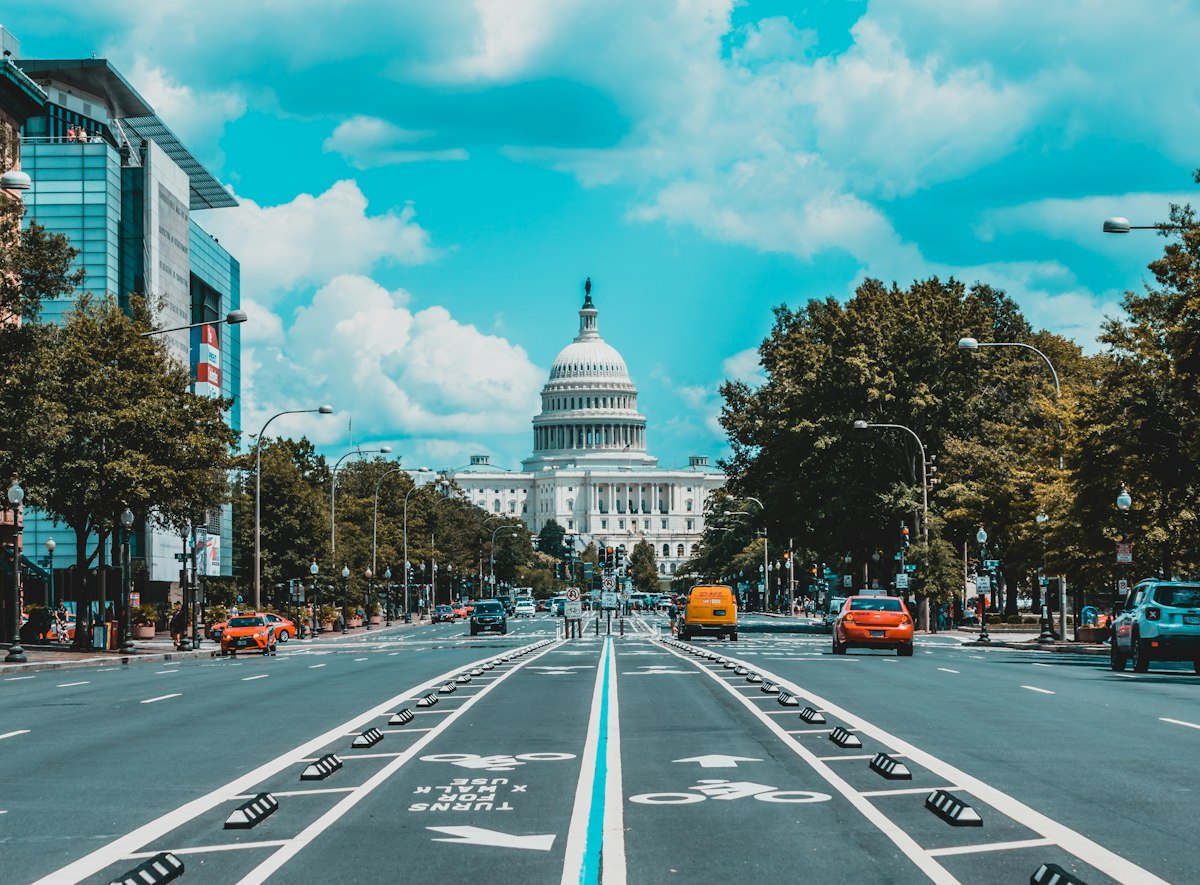
The US State Department now covers 23 countries and territories under its highest Level 4 'Do Not Travel' advisory as of November 9, 2026 - and 11 of them are in Africa, including newly reflagged Uganda, Somalia, South Sudan and DRC. Here is what Level 4 actually means for travellers, insurance and visas.
The United States has just issued its harshest possible travel warning for some of the world's most troubled destinations - and its message is unusually blunt: "Do not go for any reason."
Citing local conditions and "limited ability to help Americans there," the US State Department now classifies 23 countries and territories at Level 4 - the top of its four-tier advisory scale - as of the November 9, 2026 advisories. Eleven of them are African states.
The full Level 4 "Do Not Travel" list
Africa (11): Burkina Faso, Central African Republic, Chad, Democratic Republic of Congo, Libya, Mali, Niger, Somalia, South Sudan, Sudan and Uganda.
The rest of the world (12): Afghanistan, Belarus, Burma (Myanmar), Haiti, Iran, Iraq, Lebanon, North Korea, Russia, Syria, Ukraine and Yemen.
The current round includes Monday's reissued top-level advisories for Uganda, Somalia, South Sudan and the DRC - flagged over terrorism, violent crime, kidnapping, political unrest and health risks.
What "Level 4: Do Not Travel" really means
The State Department's scale runs from Level 1 (Exercise Normal Precautions) to Level 4 (Do Not Travel). A Level 4 means the government believes the likelihood of life-threatening risk is high - and that its own embassies may be unable to rescue or assist Americans who go anyway.
Three practical consequences matter for Africans too:
- Travel insurance: many policies stop covering claims inside Level 4 destinations.
- Corporates and insurers: firms pause staff travel, and airlines and tour operators often cut routes.
- Overflight caution: safety zones and airspace bulletins (notably around conflict zones in the Sahel and the Red Sea) can affect long-haul routing.
The drama behind this round
Two things are raising eyebrows. First, the list has grown through the year: from 22 countries in February to 23 by July, as Chad, DRC and Uganda moved up - while Venezuela stepped down to Level 3. Second, Uganda's placement has triggered genuine backlash: it was raised from Level 3 to Level 4 in May 2026, and Kampala and East Africa's tourism industry argue the classification no longer reflects reality on the ground for tourists.
Note the nuance: these are warnings, not bans. Americans can still travel if they choose - but they do so at their own risk, and consular help may arrive late or not at all. Countries can also be added or removed at any time as security changes.
What it means for Nigerians planning trips abroad
The list guides more than American tourists: study-abroad programmes, corporate contracts, Christian and medical mission planning and even some visa adjudications take US advisory levels into account. Check the exact level of any country on travel.state.gov before you book - a Level 2 destination can sit beside a Level 4 one within the same region.
This article is for general information only - always verify the current advisory level directly on travel.state.gov before making travel decisions.
Source: US Department of State travel advisory system (travel.state.gov), advisories of November 9, 2026.
Rooted & Praying — The Christian Parenting Guide for the Digital Age
Scripture, prayer and calm answers for 18 digital-age parenting situations — now with a launch discount.
View the Book →