UK Skilled Worker Visa: Jobs Reported as Ineligible, Including Cooks and Bar Staff — What Nigerians Should Know

Recent reports say more than 100 occupation codes are not eligible for the UK Skilled Worker visa route, with roles such as cooks and some bar staff affected. Here is what it means, what to check, and how to verify your job on GOV.UK.
Reports circulating this week say the UK’s Skilled Worker visa route does not cover a long list of occupation codes, with hospitality roles such as cooks and some bar staff positions among those affected. Some coverage has pointed to 104 ineligible occupation codes under the current Skilled Worker framework, though the exact treatment depends on the job’s occupation code, timing, salary, and whether any specific rules or transitional provisions apply.
What this means
The UK Skilled Worker visa is tied to eligible occupation codes and minimum requirements set by the Home Office. When a role is classed as ineligible, an employer generally cannot sponsor a worker for that job under the standard Skilled Worker route. This does not mean every hospitality or service job is treated the same way — eligibility can vary by SOC code, job duties, pay, and the date rules apply.
Roles commonly mentioned in reports
- Cooks and some kitchen roles — often cited in reports about roles no longer qualifying under standard sponsorship routes.
- Bar staff and some bar/hospitality roles — reported among roles affected by eligibility restrictions.
- Other medium-skilled occupations — a wider set of codes may be ineligible depending on the current Home Office list and salary rules.
What Nigerians should do before applying
- Check the official GOV.UK list: confirm your exact occupation code and eligibility on the UK government’s Skilled Worker eligible occupations pages before paying any fees.
- Match duties to the right SOC code: job titles can be misleading; sponsorship depends on the correct occupation code and role description.
- Verify salary and sponsor status: an eligible code alone is not enough — the employer must be licensed to sponsor, and pay/conditions must meet current rules.
- Avoid unlicensed agents: do not rely on social media claims or guaranteed-visa promises. Use official guidance or qualified, regulated immigration advice.
Important note
Immigration rules can change, and individual cases differ. This article is for general information only and is not legal or immigration advice. Always confirm current requirements on GOV.UK or with a qualified immigration adviser before making decisions.
Mindnewsng will continue to publish clear updates on jobs abroad and immigration changes affecting Nigerians.
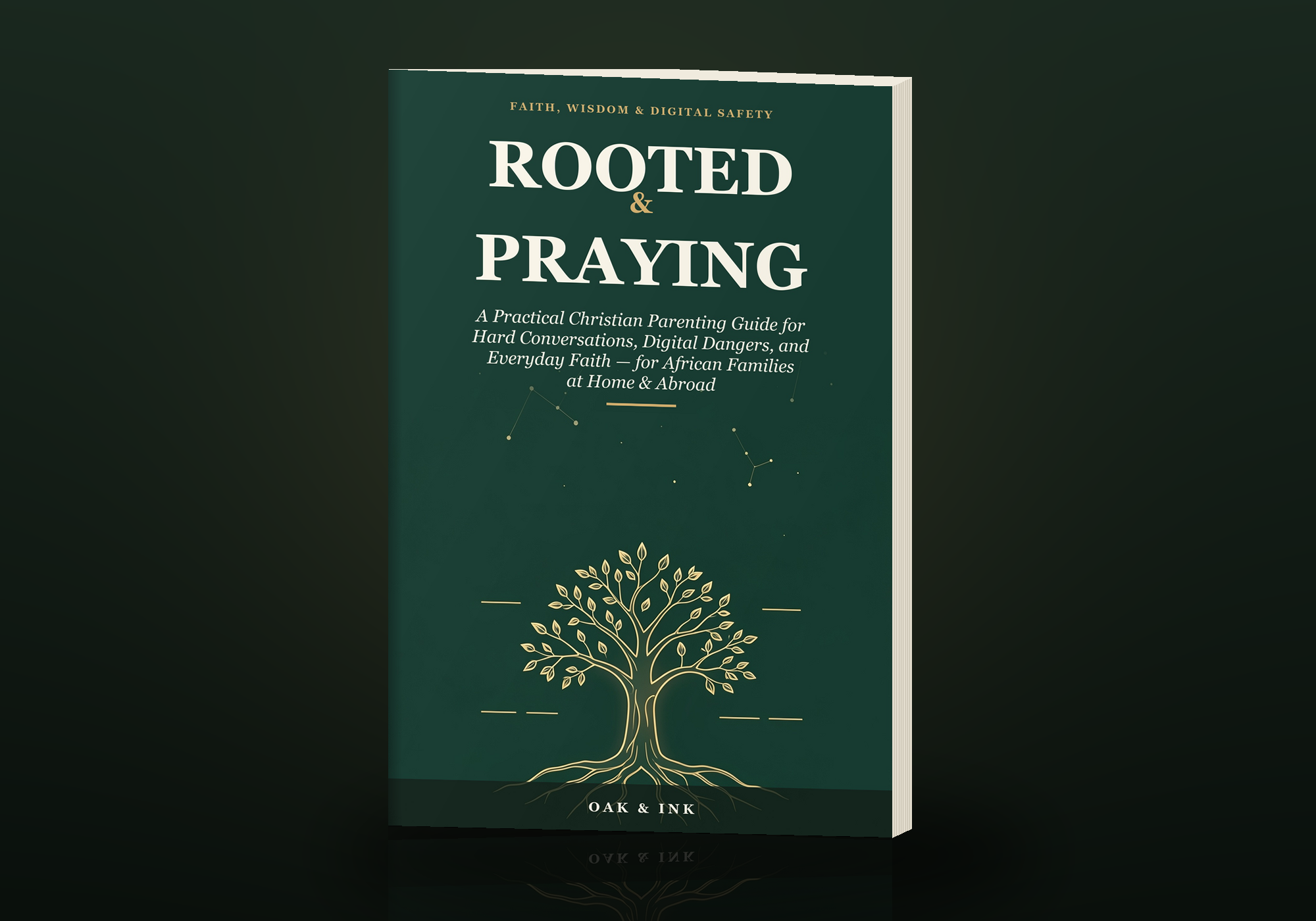
Rooted & Praying — The Christian Parenting Guide for the Digital Age
Scripture, prayer and calm answers for 18 digital-age parenting situations — now with a launch discount.
View the Book →Related Articles
Nigeria Launches CNG Refuelling Stations at Four Universities to Reduce Student Transport Costs