Just 5 Years: UK Reveals the Foreigners Who Can Still Get Permanent Residence Fast - Is Your Job on the List?

The UK now makes most foreigners wait 10 years for permanent residence. But Home Secretary Shabana Mahmood's new earned settlement rules carved out groups who can still settle in just 5 years - including earners above £50,271 and NHS staff. Check the full list.
On 2 November 2026, Home Secretary Shabana Mahmood stood before Parliament and rewrote the dream for millions of migrants: the right to live in the UK "forever" is no longer almost automatic after 5 years - it must now be earned.
The new "earned settlement" model raises the standard qualifying period for permanent residence (indefinite leave to remain) from 5 years to 10 years. But buried in the announcement is the part that matters most to skilled Nigerian and other Commonwealth applicants: a defined list of groups who still qualify for settlement in just 5 years - and a small elite who can do it in 3.
Who gets permanent residence in 5 years under the new rules
According to the Home Office announcement and the government response to the earned settlement consultation (Command Paper CP 1707), the 5-year fast track stays open to:
- High earners: anyone earning at least £50,271 a year, in at least 3 of the 5 years before applying.
- Key public service workers: doctors, nurses, teachers - and certain other healthcare and education workers below RQF level 6 who are on national pay scales.
- Care workers who came before the May 2025 White Paper: those already in the UK care sector who met their visa conditions and earned at least £25,000 a year keep their 5-year path - the "fair deal" Mahmood granted in recognition of pandemic-era contributions.
- The "British connection": partners and family members of British citizens, plus UK Ancestry visa holders and British National (Overseas) status holders, all keep the 5-year route.
- Refugees on approved routes: those who arrived through designated safe and legal resettlement routes settle after 5 years.
The three-year golden ticket
A very small group moves even faster: workers earning at least £125,141 a year (in 3 of the last 4 years) and members of the government's "Highest Talent" category can apply for settlement after just 3 years.
The four conditions nobody escapes
Whatever the pathway, every applicant must first clear four non-negotiable gates:
- A spotless criminal record - far stricter than before, when a suspended sentence under 12 months could still clear.
- Passing the Life in the UK test.
- Sustained contribution to the UK (earnings, work and integration).
- No government debt - unpaid NHS bills, tax or National Insurance arrears now mean automatic refusal.
Who faces the long road: 10, 20 and even 30 years
Everyone else faces the 10-year default. Migrants who have breached immigration rules now face at least 20 years before they can settle. Refugees outside the approved routes face 20 years - reduced to 10 for those who work or study - and anyone who arrived by small boat or other illegal entry faces an extra 10-year penalty on top, meaning a wait of up to 30 years.
Those who miss the 5-year fast track - roughly a quarter of Green Book applicants - will be offered a new 5-year visa and a second chance to qualify through contribution.
When does this start? Not yet - a key point
The rules are not law today. The Home Secretary told MPs the new settlement rules will start being published from December 2026 and take effect over the course of 2027. Until each change actually comes into force, the current 5-year rules still apply. The separate 10-year Long Residence route will close, and time spent on temporary visas (Student, Graduate, High Potential Individual) will not count toward qualifying residence.
This article is for general information only and is not legal or immigration advice. Rules are being phased in during 2026-2027; always verify your own case on GOV.UK or with a licensed immigration adviser before making any application.
Sources: GOV.UK news release and Home Secretary statement, 2 Nov 2026; A Fairer Pathway to Settlement (CP 1707); House of Commons Library briefing CBP-10267.
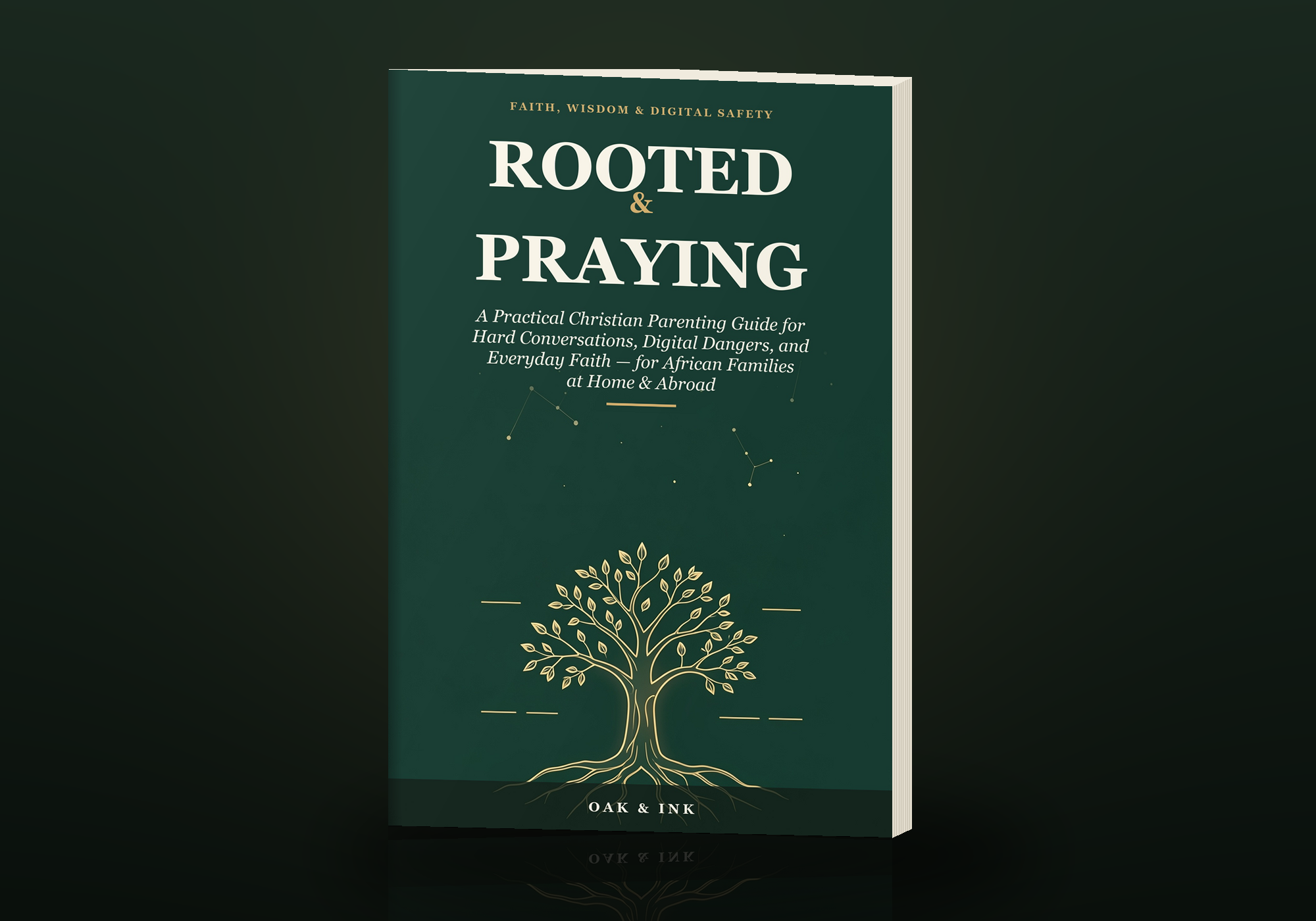
Rooted & Praying — The Christian Parenting Guide for the Digital Age
Scripture, prayer and calm answers for 18 digital-age parenting situations — now with a launch discount.
View the Book →Related Articles
Nigeria Launches CNG Refuelling Stations at Four Universities to Reduce Student Transport Costs