No Degree Needed: South Korea Opens Its Doors to Foreign Workers in a New Trade - But Only 150 Spots a Year
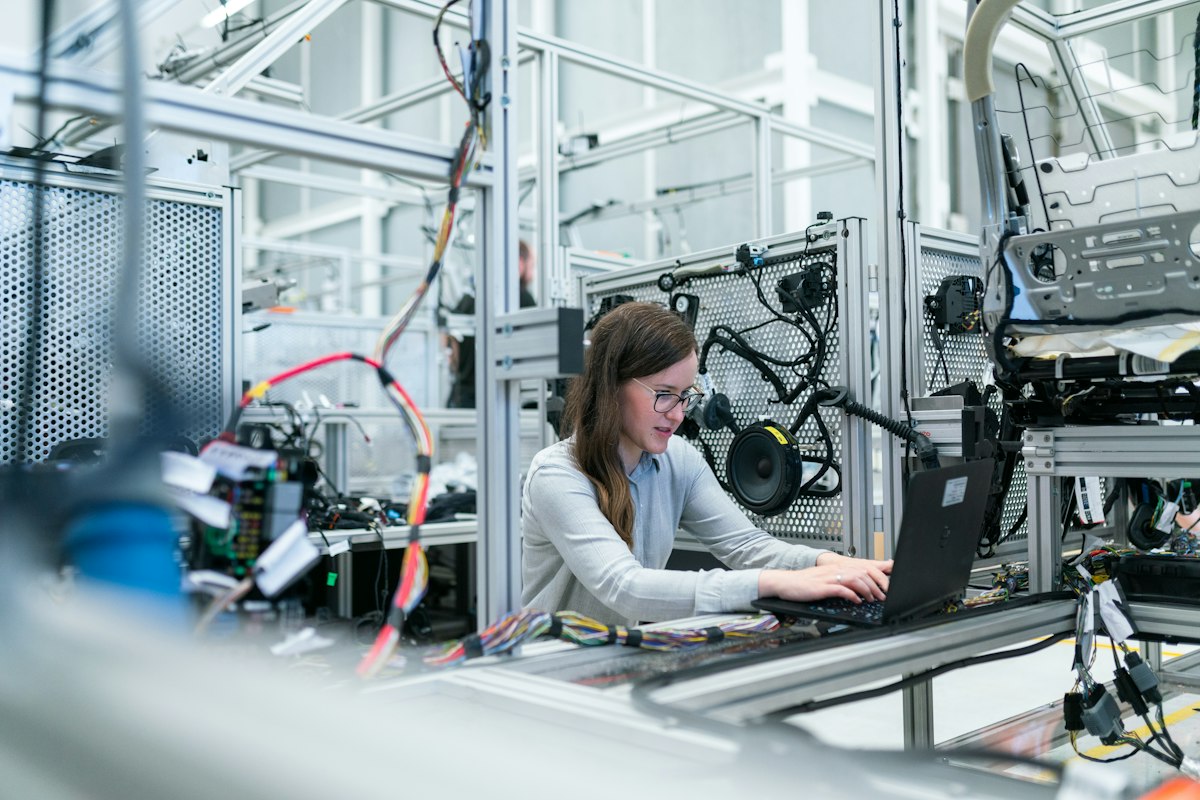
South Korea's Ministry of Justice has approved slaughterhouse work as an official E-7-3 skilled worker visa occupation for foreigners - no university degree required. The two-year pilot caps intake at 150 workers a year, and the first 12 have already landed. Here is how the visa works.
South Korea has just confirmed something unusual in its history: for the first time, foreign workers are being formally brought in to work in the country's slaughterhouses - with an official visa to match.
Slaughterhouse worker is now an official occupation under Korea's E-7-3 General Skilled Worker visa, designated by the Ministry of Justice after years of lobbying from an industry that simply could not find enough local hands. It is one of the rare visa routes where no university degree is required - experience and skill count instead.
The pilot: small on paper, big on signal
- The programme launched in January 2026 as a two-year pilot running through December 2027.
- Foreign intake is capped at 150 workers per year.
- By the time the Ministry confirmed the programme on 14 July 2026, the first 12 foreign slaughterhouse technicians had already entered the country.
Small numbers - but the signal matters. Every addition to the E-7 list opens a door for workers worldwide, and Korea's foreign resident population is passing 3 million people, which is exactly why the Ministry launched its "New Immigration and Migration Policy" to begin with.
How the E-7-3 skilled worker visa works
The E-7 family is Korea's main route for skilled foreign workers, covering some 90+ designated occupations - from engineers and IT specialists to cooks and now slaughterhouse technicians. For the E-7-3 sub-category:
- No degree needed: a bachelor's degree can be replaced by roughly 5 years of related work experience (or equivalent professional credentials with a proven track record).
- A Korean employer must sponsor you - the employer files for your visa issuance certificate; applications from tax-delinquent or non-compliant companies are refused.
- Salary floor: from 1 February 2026, E-7-2 and E-7-3 roles carry a minimum annual salary of KRW 25,890,000 (about USD 17,700 / roughly ₦27 million) - and the 2026 national minimum wage sits at KRW 10,320 per hour.
- Your E-7 is tied to your employer: changing jobs requires reporting to immigration within 15 days and the new job must also qualify.
The other no-degree door: EPS E-9
If the E-7 route is not available, Korea's Employment Permit System (E-9) also lets workers from 17 partner countries take jobs in factories, farms and construction with no degree at all - but you must pass the EPS-TOPIK Korean language test, and South Korea does not currently accept new sponsors from outside that partner list.
Between the two, the message to Nigerian and African jobseekers is clear: Korea is opening specific, capped doors for honest hands-on work - and the winners will be the ones who track the occupation lists closely and move fast when quotas open.
This article is for general information only and is not legal or immigration advice. Quotas, occupation lists and salary floors change - always verify directly on Korea's official HiKorea portal or with a licensed recruiter or immigration adviser.
Sources: Korea Ministry of Justice announcement (14 July 2026); Employment Permit System guidance; E-7 salary thresholds effective 1 February 2026.

Rooted & Praying — The Christian Parenting Guide for the Digital Age
Scripture, prayer and calm answers for 18 digital-age parenting situations — now with a launch discount.
View the Book →Related Articles
Nigeria Launches CNG Refuelling Stations at Four Universities to Reduce Student Transport Costs