South Africa Scraps the 60-Day Visa Rule That Rejected Hundreds of Foreigners - and Refused Applicants Win Too

South Africa's Home Affairs Minister Leon Schreiber has waived the 60-day advance visa application rule in Immigration Directive 13 of 2026 - and in a rare move, the waiver is backdated, so even people already refused over the deadline can win on appeal. Here is exactly who benefits.
For years, one date on the calendar has wrecked more visa applications in South Africa than almost anything else: the 60-day deadline. Miss it - by even a single day - and a perfectly good visa application could be refused, purely on paperwork timing, forcing applicants into months of appeals.
Not any more. Home Affairs Minister Dr Leon Schreiber has signed Immigration Directive 13 of 2026, formally waiving the requirement for foreign nationals in South Africa to submit visa renewal and change-of-status applications at least 60 days before their current visa expires.
What exactly changed
Under Regulations 9(5)(a) and 9(8)(c) of the Immigration Regulations, foreigners applying to renew a visa, or to change their status or conditions, had to file "no less than 60 days" before expiry. The directive removes that clock entirely for:
- Future applications for visa extensions or changes of status or conditions - you can now file at any time, as long as your current visa is still valid.
- Pending applications already submitted and awaiting adjudication.
- Pending appeals where an application was refused solely (or mainly) for missing the 60-day window.
The rare twist: the waiver works backwards
Here is the unusual part that has immigration lawyers talking. Waivers normally apply only from the date they are granted. This one applies retrospectively - meaning applications that were already refused purely for being filed inside the 60-day window can be rescued. The Department of Home Affairs has indicated that negative decisions on affected appeals will be overturned, allowing the underlying visa applications - and those of accompanying family members - to finally be processed.
Immigration expert Jaco Brits, head of Xpatweb, said that retrospective nature was particularly significant because it creates a way to address cases that have already been affected - potentially solving hundreds of stuck and appealed applications.
Three important catches
- The visa must still be valid. This waiver is not a free pass for expired visas - anyone here after their visa has ended remains in breach.
- Everything else still counts. All the normal substantive requirements for your visa category apply exactly as before.
- Do not wait anyway. Experts still advise filing as early as reasonably possible - early filing gives Home Affairs more processing time and protects your status.
The Department has also stood up a dedicated Appeals Unit to speed up visa and permanent-residence appeal turnaround - though insiders note affected cases may still take several months to work through the system.
Why it matters to Nigerians
Thousands of Nigerians live, study and work in South Africa, and the 60-day rule produced some of the most common refusals in the appeals queue. If your renewal or status-change application was rejected on that timing ground alone - or an appeal is still sitting pending - this directive is the news you have waited for: contact the Department of Home Affairs or your immigration practitioner and ask them to apply Immigration Directive 13 of 2026 to your case.
This article is for general information only and is not legal or immigration advice. Verify all requirements on the Department of Home Affairs channels or with a licensed immigration practitioner before making any application.
Source: Immigration Directive 13 of 2026, Department of Home Affairs; Xpatweb, BusinessTech, Daily Investor, KPMG GMS Flash Alert 2026-276.
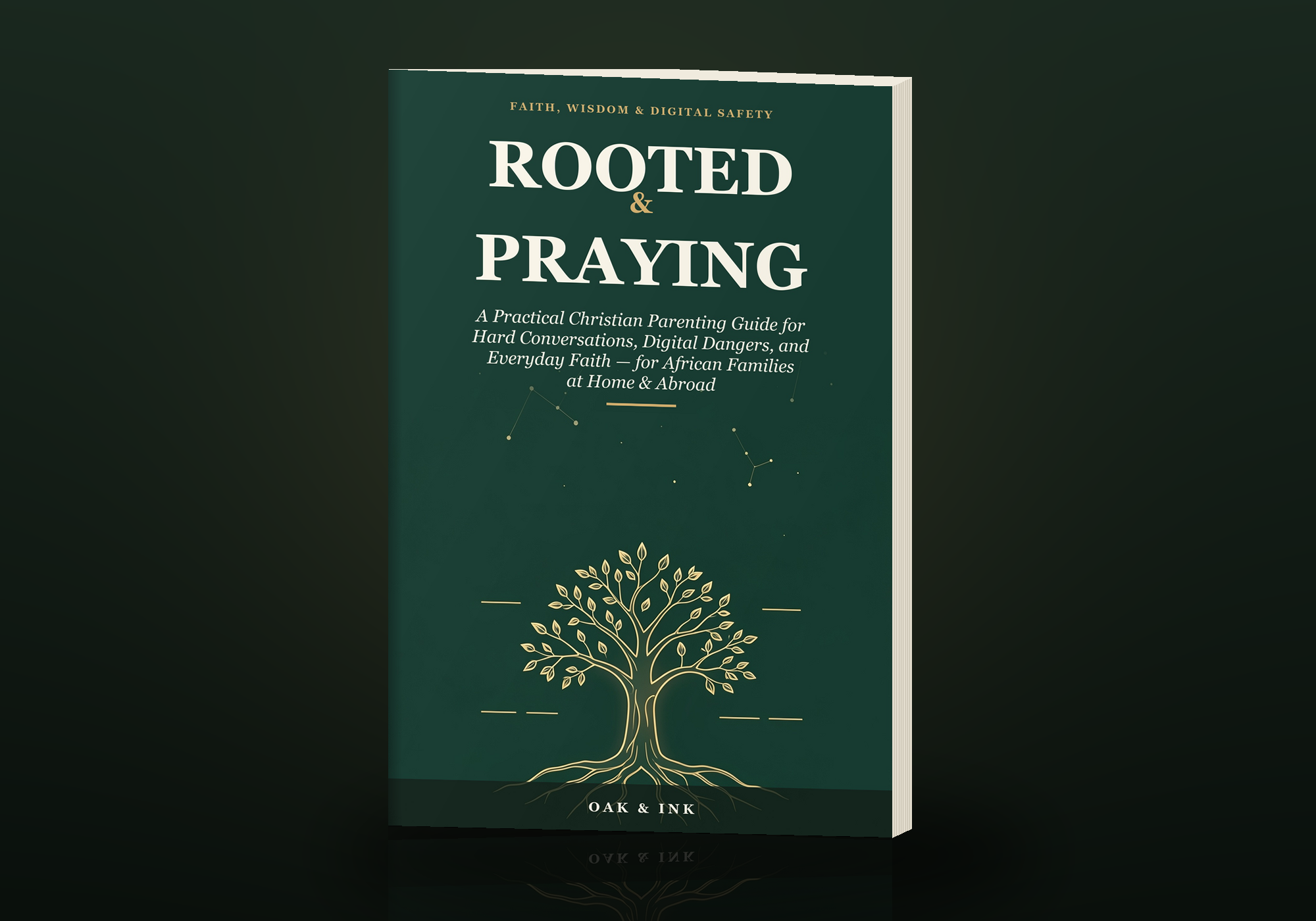
Rooted & Praying — The Christian Parenting Guide for the Digital Age
Scripture, prayer and calm answers for 18 digital-age parenting situations — now with a launch discount.
View the Book →Related Articles
Nigeria Launches CNG Refuelling Stations at Four Universities to Reduce Student Transport Costs