
High campaign costs, distrust hinder youths’ political ambitions – Report
Young Nigerians continue to face significant barriers to political participation and representation despite making up the majority of the country’s population, with high campaign costs, entrenched political structures and declining confidence in the electoral system limiting their access to elective
A report by the BBC on Sunday, highlighted the challenges confronting young Nigerians seeking political offices, noting that the country’s political leadership remains dominated by older politicians despite its youthful population.
One of those seeking to change the situation is 38-year-old Abdulhadi Dalhatu, who is contesting for a seat in the Kano State House of Assembly ahead of the 2027 general elections.
Dalhatu believes young people deserve greater representation in government, arguing that they should have a stronger voice in decisions affecting their future.
“Younger people are the majority in this country and should be deciding the future,” he told the BBC.
However, Nigeria’s political history reflects the limited presence of young people in top elective positions.
Since the return to democratic rule in 1999, the country has continued to elect leaders considerably older than the majority of its population.
The situation is also evident in the National Assembly, where none of the 109 senators is below 40, while only 14 members of the 360-member House of Representatives fall within that age group.
The report identified financial constraints as one of the major obstacles preventing young Nigerians from participating actively in politics.
The high cost of nomination forms, campaign activities and internal party contests makes it difficult for aspiring young politicians without substantial financial resources to compete against established political figures.
Major political parties, including the All Progressives Congress, Peoples Democratic Party and African Democratic Congress, have reportedly fixed their presidential nomination fees at N100 million, placing the cost beyond the reach of many young aspirants.
Dalhatu disclosed that he had previously abandoned political ambitions because he could not raise enough money to finance his campaigns.
Another young politician, Fatima Zahra Umar, also noted that Nigerian politics was largely influenced by money, leaving many young people unable to secure influential elective positions.
Beyond financial challenges, the report identified political structures and cultural attitudes as additional factors limiting youth participation.
Political analyst Seun Ajayi argued that some young Nigerians lacked the determination to pursue major political positions, while others were content with occupying less influential roles in government.
The report also highlighted declining interest in electoral participation among young Nigerians, despite their significant involvement in political movements such as the 2020 #EndSARS protests and the Obidient movement during the 2023 general elections.
Although these movements demonstrated the ability of young people to mobilise around political issues, translating such enthusiasm into sustained electoral participation has remained a challenge.
According to the report, young people now account for 29 per cent of registered voters, compared with 40 per cent in 2023, despite an increase in the country’s overall registered voter population to more than 103 million.
The Independent National Electoral Commission has introduced initiatives, including appointing entertainment personalities as voter registration ambassadors, to encourage greater participation among young Nigerians ahead of the 2027 elections.
However, some young people remain sceptical about the electoral process, believing that their participation may not significantly change the country’s political leadership.
The report stressed that improving youth representation would require addressing financial barriers, strengthening political inclusion and encouraging young Nigerians to move beyond social media activism towards active participation in the electoral process.
As the 2027 general elections approach, the question of how to create more opportunities for younger Nigerians in politics remains an important issue in the country’s democratic development.
The post High campaign costs, distrust hinder youths’ political ambitions – Report appeared first on Punch Newspapers.
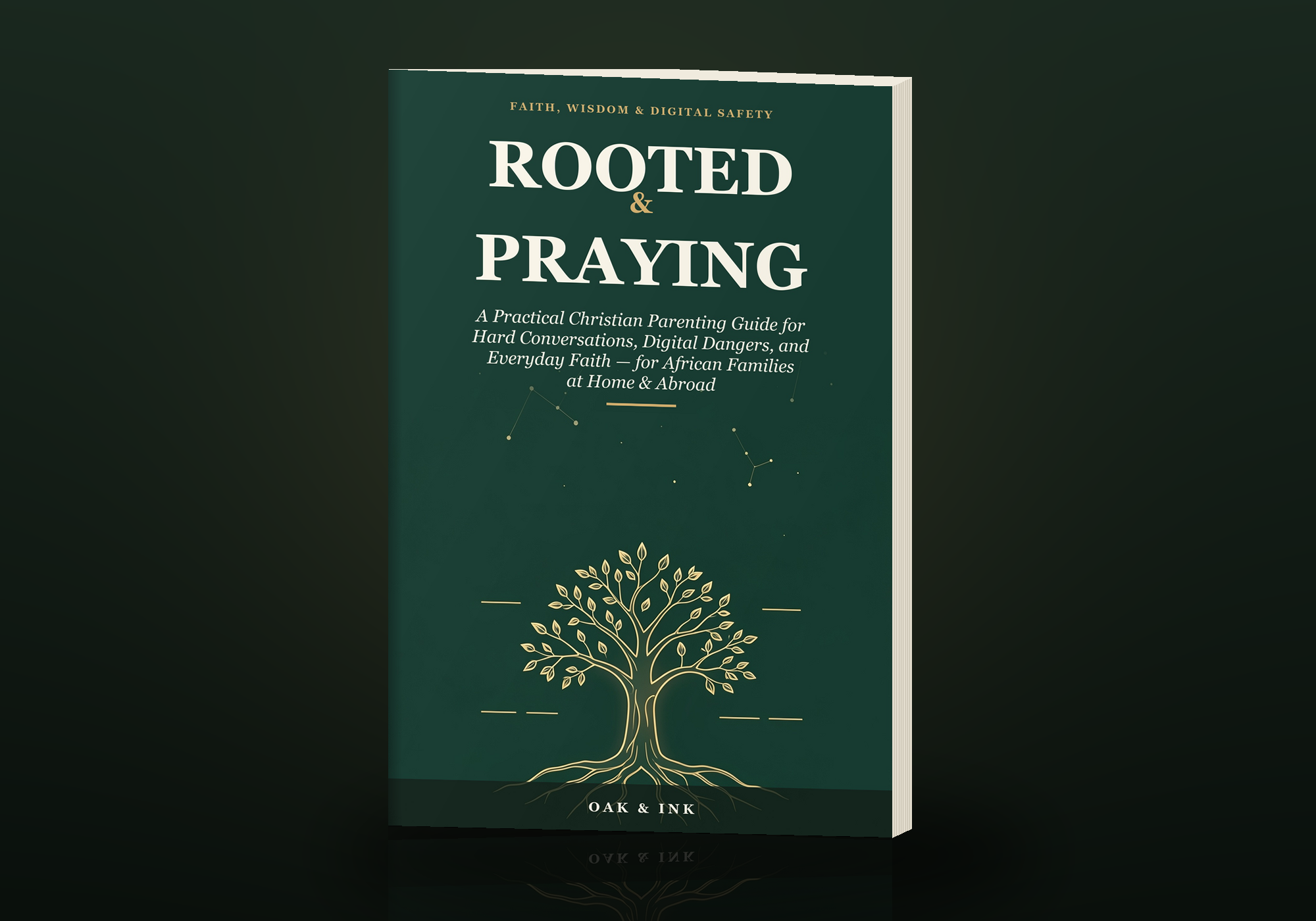
Rooted & Praying — The Christian Parenting Guide for the Digital Age
Scripture, prayer and calm answers for 18 digital-age parenting situations — now with a launch discount.
View the Book →Related Articles

COP31 faces collapse threat as latest draft fails to mention fossil fuels
Please, let Eze breathe

Church crisis: Jimmy Odukoya’s old birthday tribute to sister resurfaces
