
Full List: 5 European Countries That Will Deport Illegal Migrants To Rwanda From 2027 - Check Below For Full Details
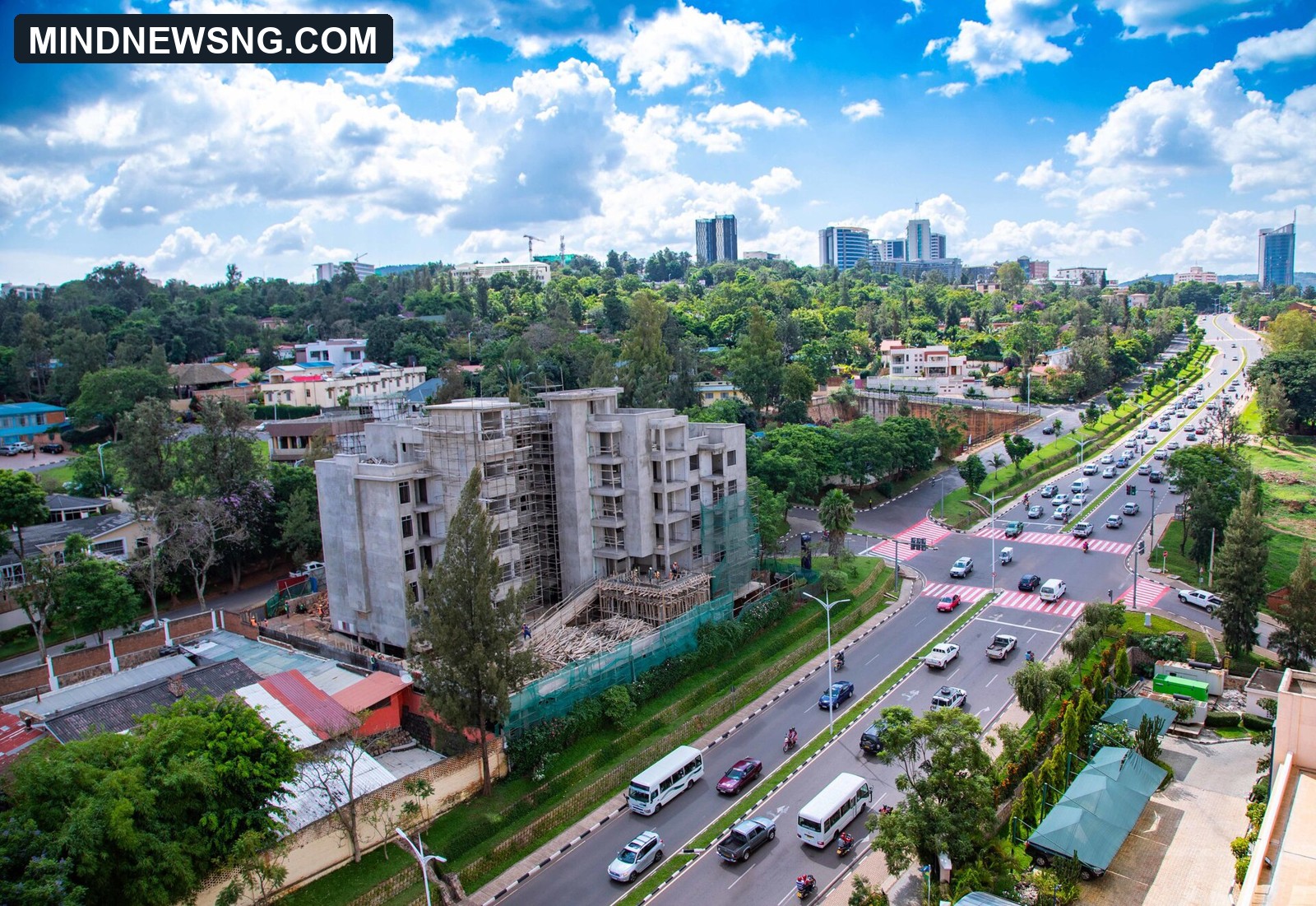
Germany, Austria, Greece, Denmark and the Netherlands will open a migrant "return hub" in Rwanda in 2027. Here is what the deal means for Nigerians and Africans living in Europe - and who it applies to.
Five European countries - Germany, Austria, Greece, Denmark and the Netherlands - have announced that they will open a migrant deportation centre, called a "return hub", in Rwanda, ready to accept transfers from 2027. The announcement was made at a joint press conference in Vienna on Monday, November 17, 2026.
Who the deal applies to: the scheme covers migrants who are staying illegally in these countries and have exhausted every legal avenue to remain - people whose asylum claims and appeals have all failed and who are already facing deportation. It does not apply to asylum seekers whose cases are still being processed.
How it will start: the hub will begin as a pilot hosting about 100 people, with each of the five countries possibly sending about 20 migrants. The Dutch government said the first phase will cover only single men, and that its focus will be on people from the same region as Rwanda.
What happens in Rwanda: deportees will have two options - either integrate into Rwandan society, which gives them the right of residence plus access to education, healthcare, the labour market and the legal system, or return to their home country. Rwanda's Interior Minister Vincent Biruta called the arrangement a "safe, legal and dignified solution for migrants".
What this means for Nigerians and Africans abroad: if you are living in Germany, Austria, Greece, Denmark or the Netherlands without valid papers, and your asylum or appeal case has failed, you could now be deported to Rwanda instead of your home country. The deal is also a signal of how seriously Europe is now enforcing immigration rules - the UK has already said it is watching the scheme "with interest" and has not ruled out joining.
The message is clear: the safest path is a legal route - a proper work visa, student visa or skilled-worker programme, like the routes we have covered for Romania's 372 shortage occupations and the UK Skilled Worker visa. Falling into an illegal status in Europe is becoming more dangerous than ever, because even deportation no longer means simply going home.
The backlash: the deal has drawn sharp criticism. Human Rights Watch said the choice of Rwanda was concerning, and Spain's Prime Minister Pedro Sanchez said the plan has no "future or humanity". The EU Agency for Fundamental Rights said any country hosting a return hub must respect fundamental rights, and unaccompanied children will not be sent to the hub - which the Dutch government has confirmed.
Context: the deal follows a recent EU reform that allowed the creation of hubs outside the bloc. According to the European Border and Coast Guard Agency, there were almost 110,000 irregular border crossings into the EU in the first 10 months of 2026 - a 29% decrease compared to the previous year.
Rooted & Praying — The Christian Parenting Guide for the Digital Age
Scripture, prayer and calm answers for 18 digital-age parenting situations — now with a launch discount.
View the Book →