
Falling Crude Prices: FCCPC Presses Refiners, Marketers To Slash Petrol Prices - Check Below For Full Details
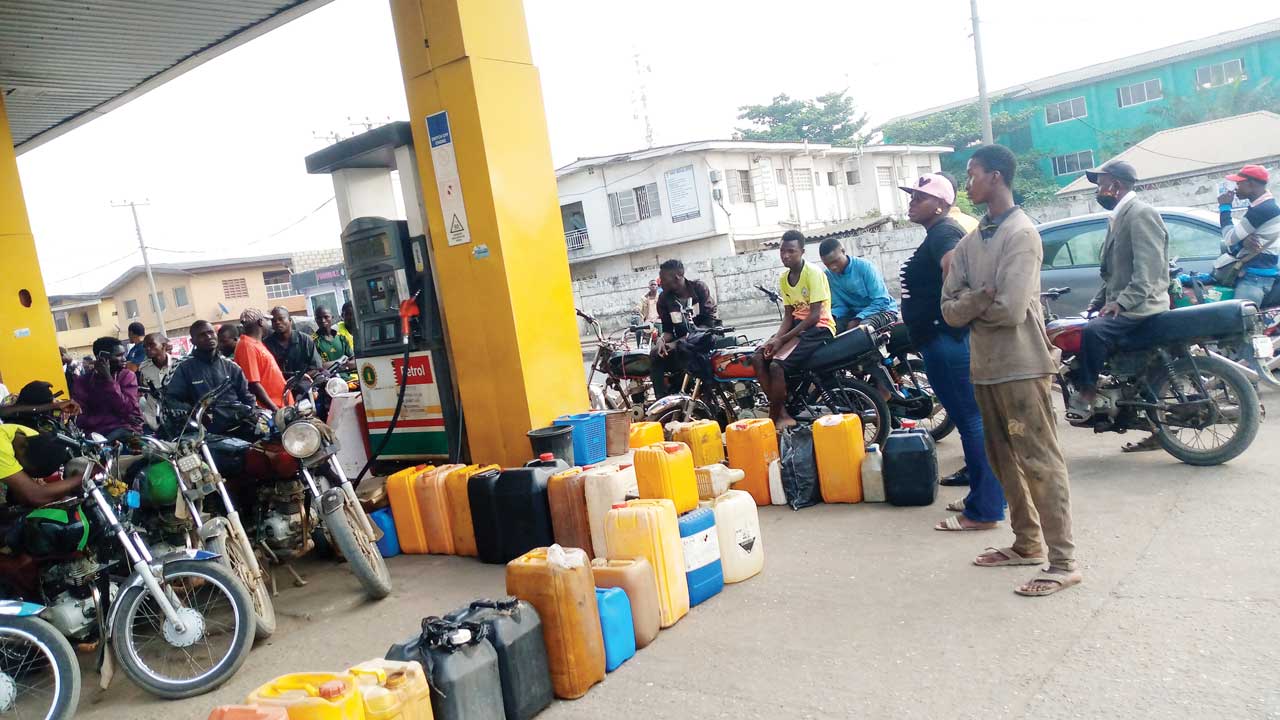
The FCCPC has put refiners and marketers on notice as Brent crude falls from a $115 peak to below $90, insisting savings must reach Nigerian consumers at the pump.
The Federal Competition and Consumer Protection Commission, FCCPC, has intensified pressure on refiners and petroleum marketers to reduce petrol and diesel prices, following a 21.7 per cent decline in international crude oil prices.
Brent crude futures, which peaked at $115 per barrel in September, have fallen to below $90 this week. Yet Nigerian consumers still pay between N1,405 and N1,420 per litre in Abuja and N1,325 and N1,370 per litre in Lagos.
"No justification" for high prices
FCCPC Executive Vice Chairman and CEO, Tunji Bello, said the commission was closely monitoring domestic fuel prices to ensure the sustained fall in crude costs translates into tangible relief at the pumps.
"If the decline in crude prices is sustained, there is no justification for refiners and marketers to continue to keep petrol and diesel prices relatively high. We expect easing in wholesale petrol costs and for the resulting savings to reach consumers at the pump without undue delay," Bello said.
Marketers had attributed the surge in fuel prices over the past eight months to volatility following the US-Iran conflict in the Middle East and the resulting blockade of the Strait of Hormuz, a transit route for at least a quarter of global oil traffic. Before the conflict began in late February, Brent closed at $72.48 and petrol sold for between N839 and N925 per litre.
Marketers push back
The Petroleum Products Retail Outlets Owners Association of Nigeria, PETROAN, through its National President Billy Gillis-Harry, said crude is only one of several factors: marketers must first sell off stock bought at higher cost, and dollar-denominated imports mean a weak naira keeps landing costs high even when crude falls.
The Petroleum Dealers Association of Nigeria, through its National Secretary Ibrahim Shehu Yahaya, added that crude reductions take days or weeks to flow through cargo pricing, refining and depot delivery, and that pump prices also include refining margins, transport, handling and taxes.
The FCCPC said it would collaborate with the Nigerian Midstream and Downstream Petroleum Regulatory Authority and other agencies to monitor prices, warning that it would take action within its mandate where there is evidence of anti-competitive conduct preventing consumers from benefiting from lower costs.

Rooted & Praying — The Christian Parenting Guide for the Digital Age
Scripture, prayer and calm answers for 18 digital-age parenting situations — now with a launch discount.
View the Book →Related Articles
Why construction could become Africa’s key technology, investment opportunity
