Canada Opens New Permanent Residence Route For 14 Rural Communities, Applications Start January 1, 2027
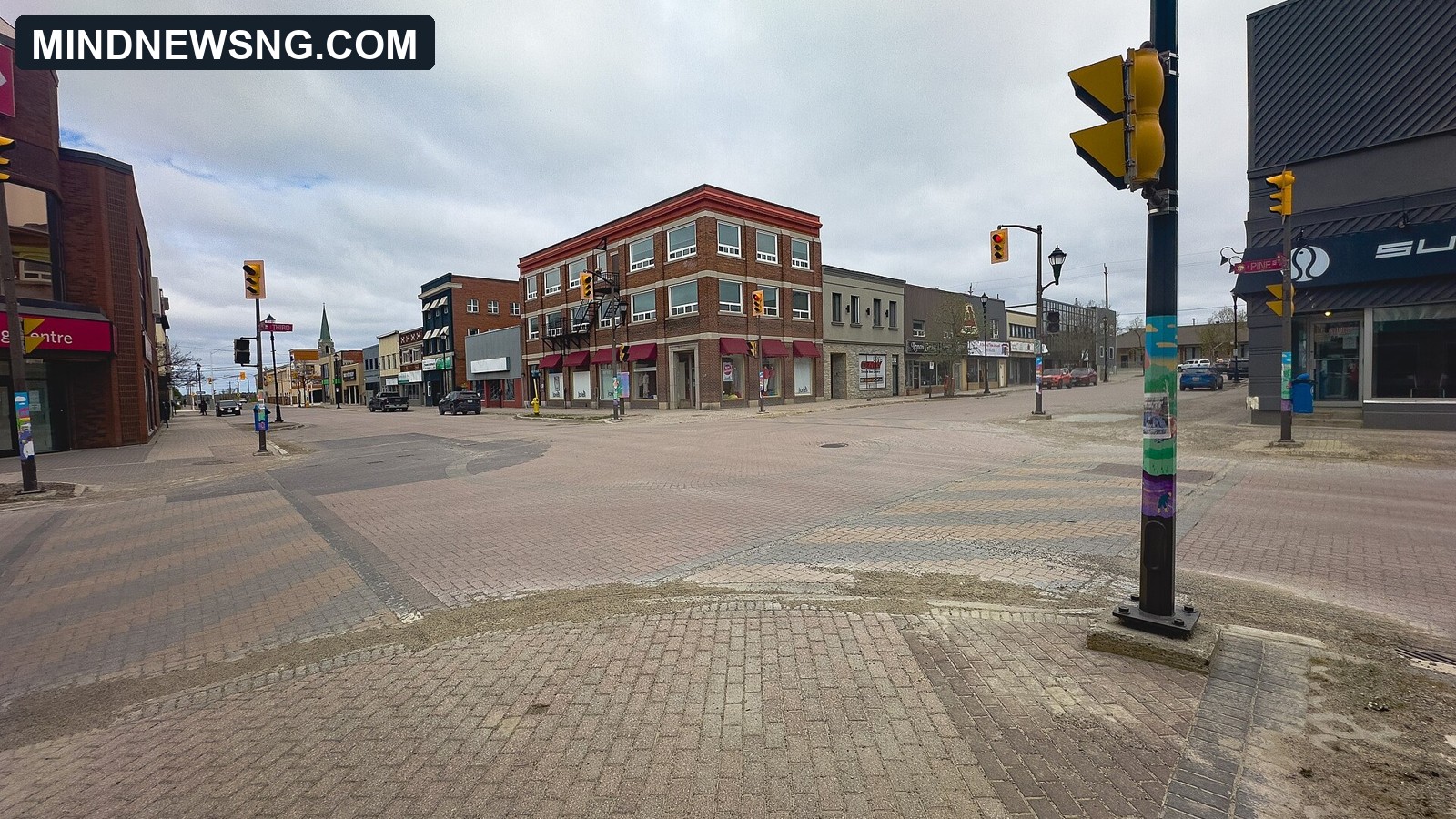
Canada's Rural Community Immigration Program opens on January 1, 2027, offering permanent residence to skilled workers who take jobs in 14 small communities. Here are the towns, the six requirements, the language scores and the exact settlement funds you must show.
Canada will open a new permanent residence route for small towns on January 1, 2027, and it is aimed at workers who are willing to settle outside Toronto, Vancouver and Montreal. The Rural Community Immigration Program (RCIP) gives permanent residence to skilled foreigners who take a job with a designated employer in one of 14 participating rural communities.
It replaces the Rural and Northern Immigration Pilot (RNIP), which IRCC now lists as closed. Unlike the Express Entry system, the RCIP does not run on a points ranking. The gatekeepers are the employer that hires you and the community that recommends you — and both must act before Ottawa looks at your file.
The 14 communities
IRCC published the full list of participating rural communities, with boundary maps for each so applicants can see exactly which area qualifies:
- Pictou County — Nova Scotia
- North Bay and Area — Ontario
- Sudbury — Ontario
- Timmins — Ontario
- Sault Ste. Marie — Ontario
- Thunder Bay — Ontario
- Steinbach — Manitoba
- Altona/Rhineland — Manitoba
- Brandon — Manitoba
- Moose Jaw — Saskatchewan
- Claresholm — Alberta
- West Kootenay — British Columbia
- North Okanagan Shuswap — British Columbia
- Peace Liard — British Columbia
A separate Francophone Community Immigration Pilot runs alongside it for French speakers, with six communities: the Acadian Peninsula in New Brunswick, Sudbury, Timmins and the Superior East Region in Ontario, St. Pierre Jolys in Manitoba and Kelowna in British Columbia.
The six things you must have
- A job offer from an employer that the community has designated to hire foreign workers.
- A recommendation certificate issued by that community.
- One year of related work experience — 1,560 hours in the past three years.
- A language test from an approved agency (details below).
- Education — a Canadian credential, or a foreign one assessed as equivalent.
- Proof of settlement funds for yourself and every family member, whether or not they travel with you.
The work experience must be related to the job you are offered, and the language and education documents have to be in place before the community will look at your file. IRCC says language results must be less than two years old when you apply.
Language: the scores are lower than Express Entry
The minimum score depends on the type of job, not on your age or degree:
| Job offer level (NOC TEER) | Minimum language score |
|---|---|
| TEER 0 or 1 (management, professional) | CLB 6 |
| TEER 2 or 3 (technical, trades, supervisors) | CLB 5 |
| TEER 4 or 5 (entry-level, labour) | CLB 4 |
Approved English tests are CELPIP-General, IELTS General Training and PTE Core. For French, IRCC accepts TEF Canada and TCF Canada. You need the minimum score in all four abilities — reading, writing, listening and speaking — not an average.
For comparison, a Federal Skilled Worker application through Express Entry normally needs CLB 7. The RCIP opens at CLB 4 for entry-level jobs, which puts the program within reach of applicants who have been shut out of Express Entry by the language threshold.
Settlement funds: the exact amounts
You must show the money is available when you apply and again when the visa is issued. Bank statements, bank drafts, cheques and money orders are all accepted:
| Family members | Settlement funds (CAD) |
|---|---|
| 1 | $10,507 |
| 2 | $13,080 |
| 3 | $16,080 |
| 4 | $19,524 |
| 5 | $22,143 |
| 6 | $24,975 |
| 7 | $27,806 |
| Each extra person after 7 | +$2,831 |
The count includes your spouse or partner and all dependent children, even if they are Canadian citizens or are not moving with you.
There is one exemption: if you are already working in Canada on a valid work permit, you do not need to show proof of funds.
Why it matters for Nigerians
Canada remains one of the most requested destinations for Nigerian professionals, but the main Express Entry draws have stayed brutally competitive, and the Provincial Nominee Programs are oversubscribed. The RCIP is a different door: it is decided by a small town that cannot fill a vacancy, not by a points cut-off.
That also means the jobs on offer reflect what those towns actually need — healthcare support workers, trades, transport, food processing, childcare and hospitality — rather than the white-collar roles most Nigerian applicants target. Applicants who are flexible about the type of work and the size of the town have a realistic path; those waiting for an office job in Toronto do not.
What to do before January 1
- Book the language test now. CELPIP, IELTS and PTE slots fill weeks ahead, and the result is valid for two years.
- Start the educational credential assessment. It is the slowest document in the pack.
- Check the community list against your trade or profession, and look at each community’s own website for its priority sectors and designated employers.
- Have the settlement funds sitting in a bank account in your name, not in a friend’s account.
IRCC also lists an optional work permit for candidates in the program, which allows a worker to start the job while the permanent residence file is still in process.
Bottom line
The Rural Community Immigration Program opens on January 1, 2027, in 14 communities across six provinces. It asks for one year of work experience, a language score as low as CLB 4, an assessed qualification and CAD $10,507 for a single applicant — but none of it matters without a job offer from a designated employer and a recommendation from the community.
Source: Immigration, Refugees and Citizenship Canada (IRCC), Rural Community Immigration Program pages, updated 9 November 2026.
Rooted & Praying — The Christian Parenting Guide for the Digital Age
Scripture, prayer and calm answers for 18 digital-age parenting situations — now with a launch discount.
View the Book →Related Articles
Ghana Publishes Official Cost Of Residence Permit For Foreigners

EU Names 42 Jobs Facing Critical Worker Shortage - Full List And What It Means For Nigerian Applicants - Check Below For Full Details

Sweden Names 2 Jobs That Can No Longer Get A Work Permit - And A New Salary Rule Every Applicant Must Beat - Check Below For Full Details