
27 Words Deleted from School Textbooks: Inside Burkina Faso's Bold Move That Is Splitting Opinion
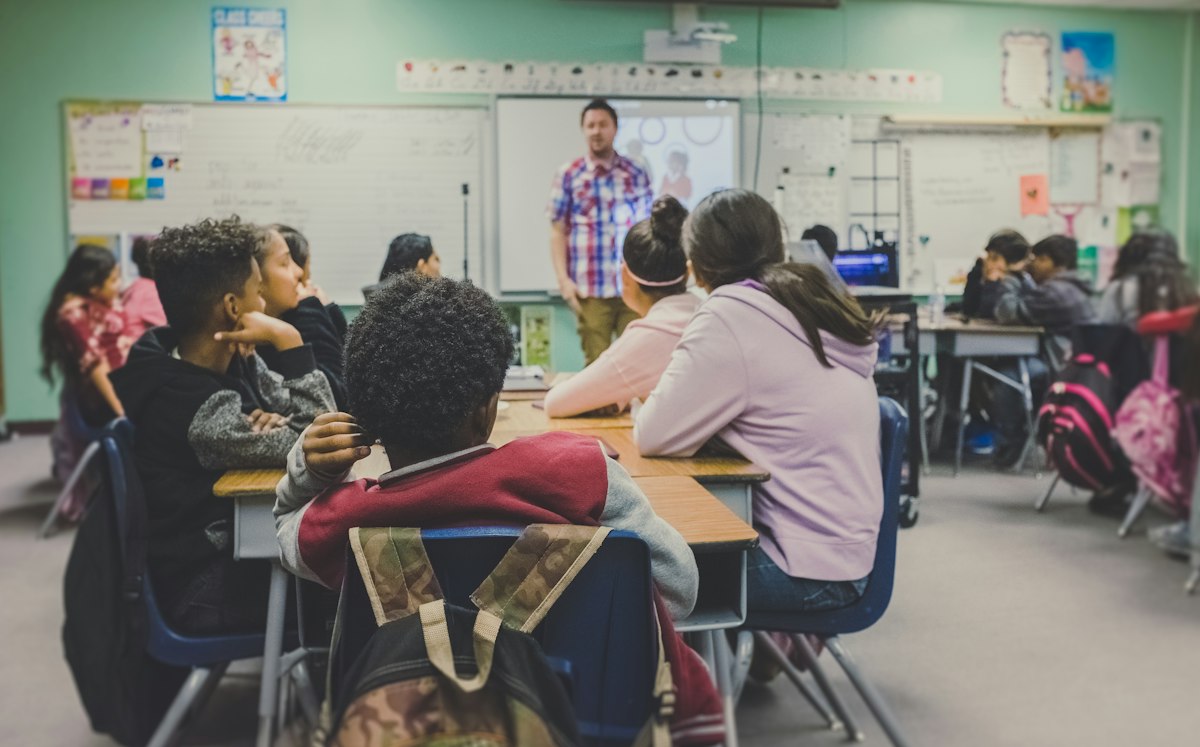
From October 1, students in Burkina Faso no longer learn the words 'coloniser' or 'explorer'. President Traore's government banned dozens of colonial-era terms and rewrote its school books - here is the full list of what changed and why.
School children in Burkina Faso opened their books this term and did not recognise the words inside them.
The words "colonisation", "coloniser" and "explorer" are gone. In their place, after President Ibrahim Traoré's government ordered a complete overhaul of history, geography and civic education for the 2026-27 school year, comes a vocabulary nobody's grandfather ever learned in school: "imperialist invasion", "invader" and "spy".
The banned list: what students say now
The changes took effect when the school year began on October 1, 2026. Secondary Education Minister Professor Moumouni Zoungrana, who announced the review on September 7, said old textbooks contained expressions that "do not honour us" and accused them of being written to "infantilise, diminish and demean" African children. Teachers are working from a 190-page official guide while brand-new textbooks are being produced. Here is the vocabulary switch:
- Colonisation → "imperialist invasion"
- Coloniser → "invader"
- European explorers → "spies"
- Colonies → "invaded territories"
- Decolonisation and independence → "the Liberation of Africa"
- Precolonial and postcolonial eras → "pre-invasion" and "post-invasion"
- Slave trade → "the Oriental and transatlantic deportations of Africans"
- Terrorism → "the war of re-invasion"
- Tirailleurs Sénégalais → "African combatants of the war"
In geography, around ten more expressions were erased. A country described for decades as "landlocked" is now a "continental country". "Ethnic groups" became "socio-cultural groups". And the phrases "poor country", "indebted country" and "small country" are outright banned - "problems and weaknesses" in Burkina Faso must now be taught as "challenges and opportunities".
The lessons that vanished - and the ones that replaced them
It did not stop at words. The famous lesson on the triangular trade was dropped entirely, along with a chapter on the physical geography of Europe - teachers say the focus now falls on Africa's own natural conditions and development instead.
Meanwhile, brand-new chapters appeared: the Haitian Revolution of 1791-1804, African resistance and indigenous knowledge, the history of the Alliance of Sahel States formed by Burkina Faso, Mali and Niger, and - eye-catchingly - a lesson titled "Predation of Burkina Faso's natural resources by the West". Civic education itself was renamed "Education for Citizenship and Patriotism".
Even the uniforms changed: pupils now wear fabric produced locally in Burkina Faso rather than imported cloth.
Why it matters (and why it is dividing people)
Supporters see it as the boldest education reform in post-colonial Africa - a country finally telling its own story, 66 years after independence from France in 1960. Critics say the government is rewriting history, not just de-colonising the vocabulary, and wonder whether renaming terrorism a "war of re-invasion" will help children facing actual school closures from armed groups.
The experiment is being watched closely beyond Burkina Faso: French-speaking African countries - and several in Anglophone Africa, including Nigeria's own educators debating colonial-era curriculum content - are asking whether the schoolbook is the next frontline in the push for African sovereignty.
Mindnewsng reports African stories that matter to Nigerians. Sources: BBC Afrique, RFI, The Citizen, Guardian Nigeria.
Rooted & Praying — The Christian Parenting Guide for the Digital Age
Scripture, prayer and calm answers for 18 digital-age parenting situations — now with a launch discount.
View the Book →