Does Your Job Qualify? Australia Lists 279 Occupations Facing Desperate Worker Shortages in 2026

Australia's government jobs agency has released its 2026 Occupation Shortage List: 279 occupations - from nurses and electricians to chefs and anaesthetists - are in national shortage, some for the sixth straight year. Here is who needs workers, which jobs are new on the list, and the big trap applicants must avoid.
Australia cannot fill its jobs. Again.
The country's official jobs agency, Jobs and Skills Australia (JSA), has released its 2026 Occupation Shortage List: 279 occupations in national shortage - out of 1,021 assessed, or 27 per cent of the whole economy.
The good news for those watching from abroad: while Australia's overall shortage share keeps easing (36% in 2023 → 33% → 29% → 27% now), the gaps that remain are stubborn, and they cluster exactly where skilled migrants compete best.
Where the workers are needed most
Some 90 per cent of the shortage occupations are Technicians and Trades Workers or Professionals - with nearly half of all assessed trade occupations still short of hands. The long-running gaps include:
- Health: registered nurses, anaesthetists, health professionals of every kind - for nurses, 63% of employers say applicants simply lack experience.
- Construction and trades: electricians, plumbers, pressure welders, construction trades across house-building and clean energy infrastructure.
- Education and care: teachers, early childhood educators, disability and aged-care workers.
- Engineering, science and ICT: engineers of many kinds, scientists, telecoms technicians.
- And classics like chefs and motor mechanics - shortages driven partly by weak training pipelines, not just demand.
Who moved on and off the list this year
28 occupations entered shortage for the first time in 2026 - including swimming coaches, anaesthetists, tow truck drivers, tyre fitters, signwriters and air traffic controllers. Some, like student services advisers and exercise physiologists, are listed as short only in regional Australia.
42 occupations came off the list - including school principals, actors, train drivers and accountants. Roughly half of the departures were in health, engineering, science and ICT.
127 occupations have now been in shortage every year since 2021 - around 90% of them professionals or trades. If your trade is on that shortlist of consistency, that is your strongest signal of demand.
What it feels like from the employer side
A job in a shortage occupation receives on average just six qualified applicants and three suitable ones - against 13 and six for non-shortage roles - and fewer than two-thirds of vacancies get filled. Employers' commonest complaint: applicants lack experience, and entry-level workers cannot find the first job that builds it.
The big trap: the shortage list is NOT a visa list
This is where many applicants get it wrong. The Occupation Shortage List does not put your occupation on any visa list - not the MLTSSL, STSOL or the Regional Occupation List. It does not by itself make anyone eligible to migrate. What JSA's analysis does inform is the separate Core Skills Occupation List, which decides employer-sponsored visas - alongside broader economic data.
The takeaway for skilled Nigerian and African applicants: check whether your occupation is truly in persistent demand, then target the visa lists that flow from it - and bring evidence of real work experience with you, because that is what Australian employers are missing most.
This article is for general information only and is not legal or immigration advice. Always confirm current visa lists on immi.homeaffairs.gov.au and consult a registered migration agent before applying.
Source: Jobs and Skills Australia 2026 Occupation Shortage List and Key Findings Report, released 21 October 2026.
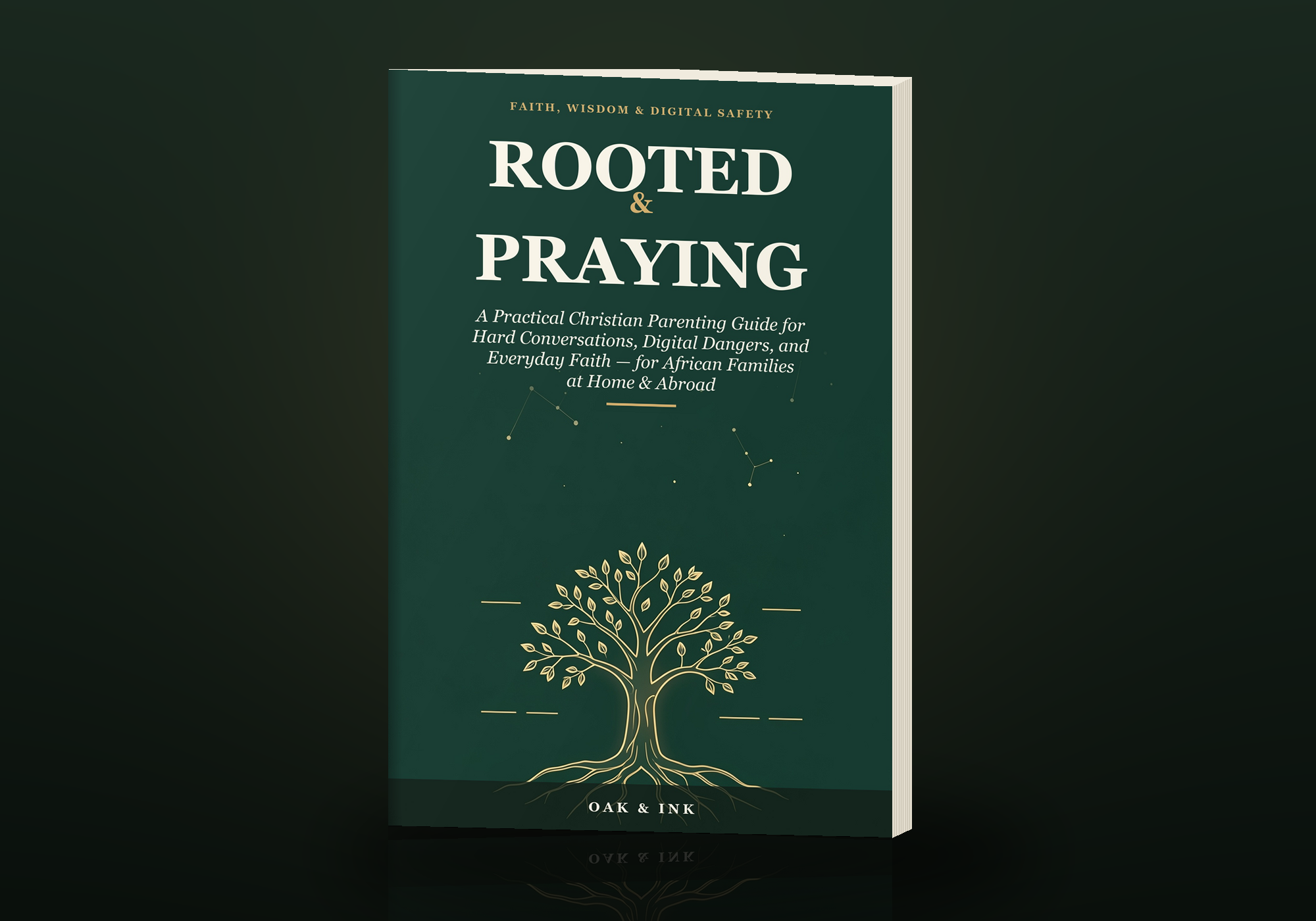
Rooted & Praying — The Christian Parenting Guide for the Digital Age
Scripture, prayer and calm answers for 18 digital-age parenting situations — now with a launch discount.
View the Book →Related Articles
Nigeria Launches CNG Refuelling Stations at Four Universities to Reduce Student Transport Costs