63 Million Americans Now Care For Sick Loved Ones At Home - And It Is Quietly Breaking Their Mental Health - Check Below For Full Details
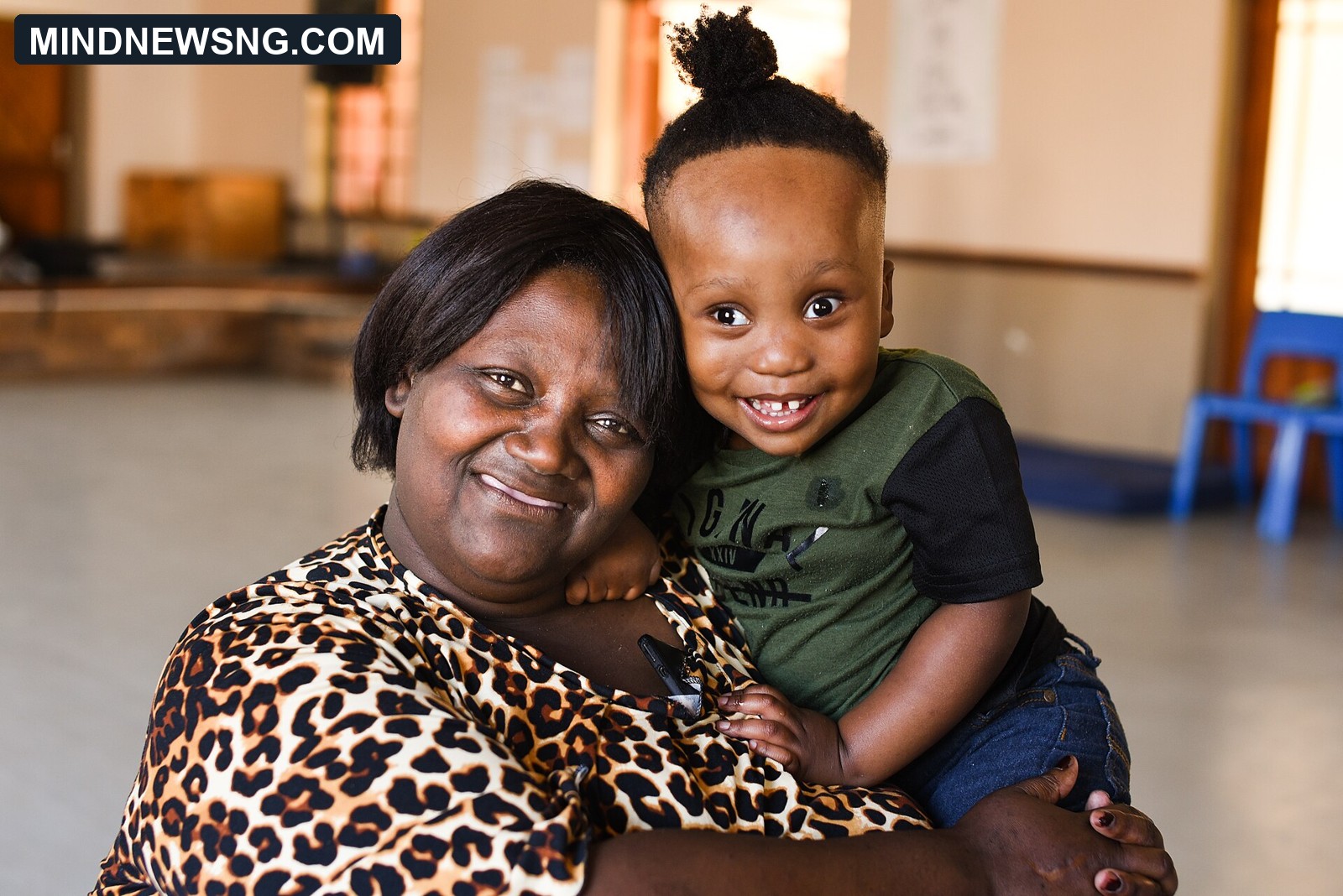
A new AARP report shows 1 in 4 US adults now provides unpaid family care, averaging 26 hours a week for years. The mental health toll is growing - and in Nigeria and Africa, where all care is family care, the lesson hits home.
A new report has revealed that 63 million Americans - nearly one in every four adults - now provide unpaid care for sick, disabled or ageing loved ones at home, and the emotional and mental health cost of that silent work is becoming a crisis of its own.
The numbers (AARP/National Alliance for Caregiving 2025 report):
- 63 million Americans are family caregivers - about 20 million more than in 2015
- Those caring for adults aged 50 and above spend an average of 26 hours every week on care - and have been doing it for about five years
- Nearly 1 in 4 caregivers say their own health has suffered because of their caregiving duties
- 6 in 10 caregivers also hold down jobs, and half of them report their work being disrupted - late arrivals, reduced hours, or quitting entirely
- Caregivers spend an average of $7,200 (about N11 million) of their own money every year on care
- The care family members provide was valued at $1.01 trillion in 2024 - money they never receive
The mental health toll: a 2024 CDC analysis found caregivers report more frequent mental distress than non-caregivers, and are more likely to skip their own doctor visits because of cost. Worry, exhaustion, isolation and anticipatory grief build up quietly while the caregiver keeps smiling for the family.
Why this story matters in Nigeria and across Africa: in our culture, this burden is even heavier - because all care is family care. There are no state-funded respite programmes, no paid family leave, and only a handful of professional care homes. Children care for ageing parents, mothers carry children with disabilities alone for decades, and families nurse the chronically sick at home with little more than love and prayer - while the caregiver's own health quietly collapses.
The japa angle is real too: millions of Nigerian households now have their strongest adults abroad. Money arrives monthly, but it cannot hold a patient's hand at 2am. The parent, spouse or sibling left behind carries the full 26-hour weekly load alone - and rarely has anyone ask how THEY are doing.
What experts say helps: sharing the load among siblings instead of one person carrying it all; respite breaks so the caregiver can rest, see a doctor or simply breathe; keeping medications, appointments and provider contacts in one clear plan; and honestly watching for burnout signs - constant exhaustion, irritability, isolation, or neglecting your own health.
Bottom line: caring for a loved one is one of the most beautiful things a human can do - but the person holding everybody up also needs to be held. If you are the family caregiver, your health matters too. Ask for help. It is not weakness - it is how you keep being able to care.
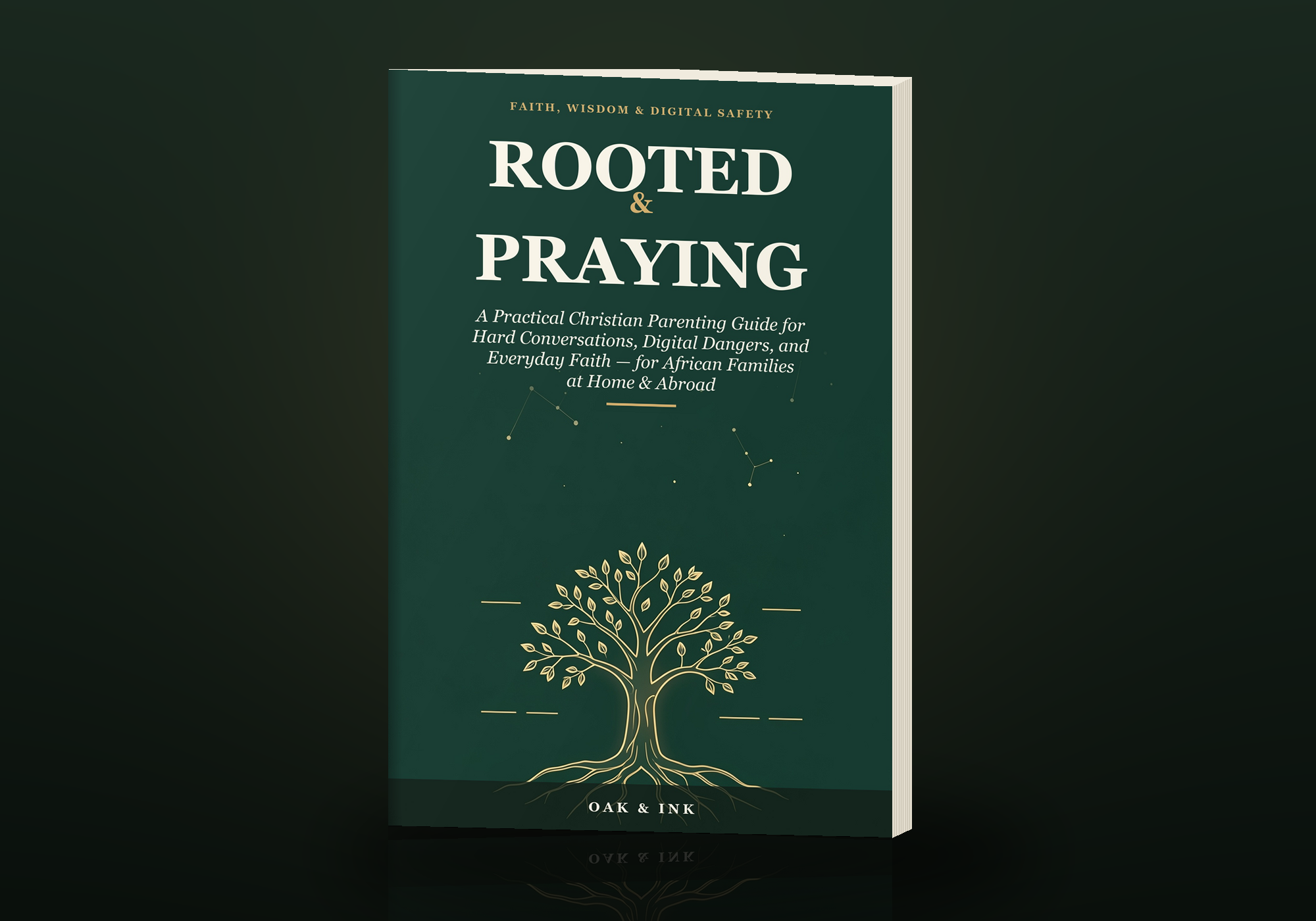
Rooted & Praying — The Christian Parenting Guide for the Digital Age
Scripture, prayer and calm answers for 18 digital-age parenting situations — now with a launch discount.
View the Book →